Newsletter Subscribe
Enter your email address below and subscribe to our newsletter
Enter your email address below and subscribe to our newsletter


 ByJohn A
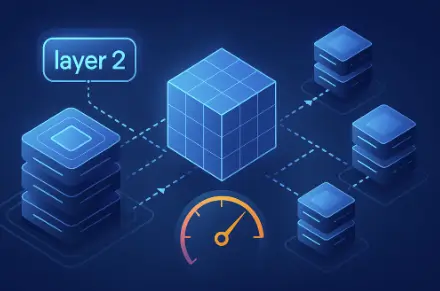
Data fabrics unify dispersed data sources into a single, accessible layer, enabling timely analytics and scalable insights. They standardize interoperability, provide end-to-end lineage, and offer unified catalogs with governance controls. Cross-platform data flows empower teams through self-service access within guardrails. The result is faster cycles, proactive optimization, and smarter operations that align with strategic aims. For organizations aiming to transform decision-making, the next step reveals itself in how governance and discovery drive measurable advantage.
Data fabrics unify distributed data sources into a coherent, accessible layer that enables timely decision-making and scalable analytics. They empower organizations to see data lineage across systems, ensuring traceability from source to insight. Metadata management underpins governance, discovery, and impact analysis, while unified catalogs accelerate collaboration and innovation. This framework supports freedom-driven strategy, continuous optimization, and trusted, data-driven growth.
By harmonizing dataflows across diverse platforms, organizations unlock a unified circulation of information that accelerates insights and reduces latency.
Streamlining cross-system pipelines emphasizes data integration and data normalization as core enablers of interoperability, standardization, and reliability.
This approach fuels strategic agility, enabling secure, scalable analytics, better decision velocity, and a freedom-driven, innovation-oriented culture across heterogeneous technology landscapes.
Data governance structures establish clear accountability, provenance, and policy consistency, while data trust accelerates collaboration across domains.
A data fabric fosters self-service access within guardrails, empowering teams to innovate responsibly, align decisions with strategy, and unlock measurable, agile value across the enterprise.
Real-world outcomes emerge when governance-enabled data fabrics unlock rapid access to trusted insights and actionable intelligence. Organizations translate data governance into measurable speed—reducing cycle times, empowering autonomous decisioning, and enabling proactive optimization. Enhanced data lineage clarifies provenance and accountability, while integrated analytics surfaces opportunities at scale. The result is smarter operations, resilient strategy, and freedom to innovate without friction.
Data fabrics enforce data privacy through uniform policies and encryption across environments, enabling centralized discipline. They support department governance, ensuring access controls, lineage, and audits align with strategic objectives while preserving freedom to explore data responsibly.
Implementing data fabrics implies upfront infrastructure costs but enables long-term efficiency through cost optimization and scalable access. Strategic vendor selection, phased deployments, and analytics-driven governance unlock ROI, while flexibility empowers freedom to innovate across departments and markets.
Data fabrics ironically pretend to solve everything, yet enable seamless integration with legacy on-prem systems. They confront integration challenges head-on, enabling legacy modernization while offering bold, data-driven, freedom-seeking stakeholders a strategic, visionary path forward.
See also: francechevalturf
Data fabrics balance real time latency with batch orchestration, enabling continuous insights while scheduling large workloads. They empower organizations to act strategically, data-driven, and with freedom, aligning实时 events and nightly processing for holistic, future-focused decision making.
Data governance and data cataloging anchor the program, requiring strategic leadership, cross-disciplinary collaboration, and continuous upskilling. A visionary team emphasizes architecture literacy, change management, metrics-driven stewardship, and freedom to innovate within compliant, scalable data fabric environments.
A data fabric reshapes how organizations think about data—from fragmented silos to a cohesive, governed fabric that powers rapid decision-making. It enables consistent lineage, self-serve access, and cross-platform interoperability, reducing cycle times and risk. For example, a multinational retailer leverages unified catalogs and automated metadata to synchronize inventory, pricing, and demand signals across ERP, cloud warehouses, and stores, delivering faster replenishment and smarter promotions. The result is strategic agility, measurable ROI, and a foundation for continuous data-led innovation.